Simple, Elegant Mockups for Your Wedding Stationery Designs
You’ve spent hours crafting the perfect wedding invitation suite, designing delicate monograms, or creating a stunning welcome sign for a client. The artwork is flawless, the typography is balanced, and the color palette is cohesive. But when it comes time to present that work to a client or showcase it in your online shop, a flat digital file just doesn’t do it justice. You need context, a sense of scale, and a touch of real-world elegance to help potential buyers visualize the final product. This is where a high-quality mockup becomes an indispensable tool in your creative arsenal.
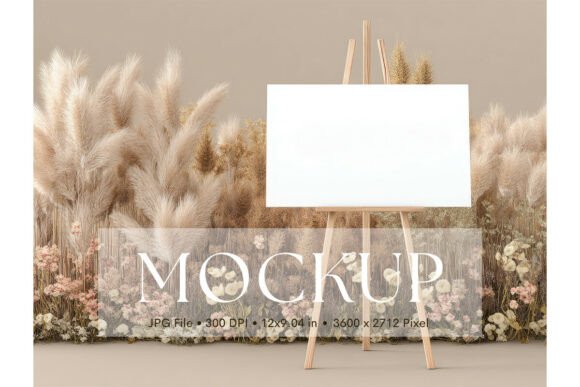
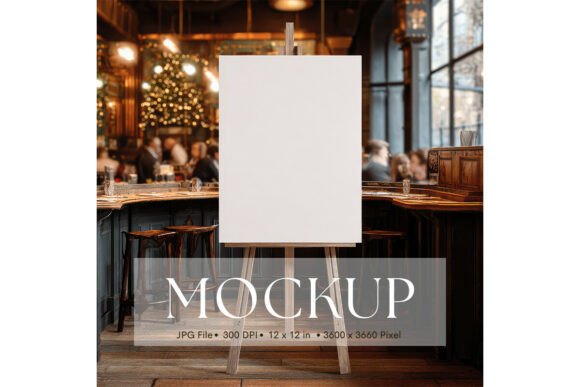
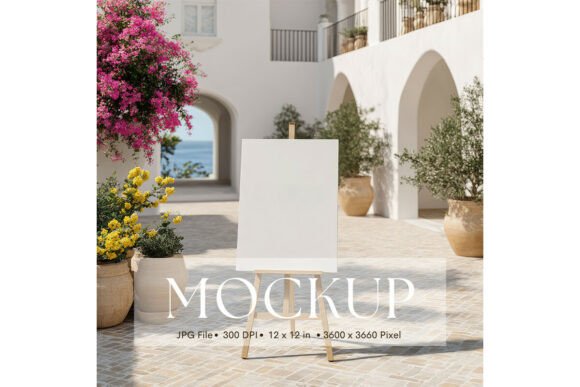
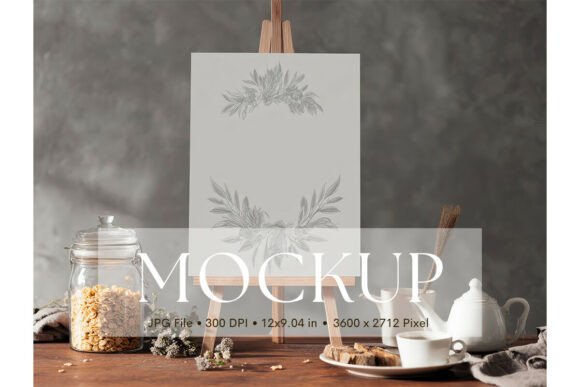
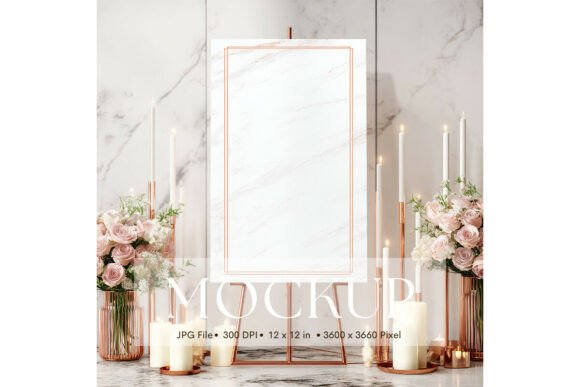
Imagine placing your custom calligraphy or hand-lettered design onto a beautifully textured card, set against a clean, neutral background that doesn’t compete for attention. That’s the core appeal of a resource like the Welcome Sign, Wedding Sign Mockup_190. It’s not just a static image; it’s a stage designed to make your artwork the star. The minimalist aesthetic ensures that every line, swirl, and serif of your typeface is the focal point, allowing the quality of your design to speak for itself without visual clutter.
Beyond Flat Files: Adding Dimension to Your Portfolio
For graphic designers, illustrators, and stationers, a portfolio is everything. Clients aren’t just buying a design; they’re buying a vision. Showing your work applied to a physical object—like a welcome sign, a menu, or a table number—bridges the gap between concept and reality. It demonstrates professionalism and an understanding of the end product. A mockup with a 3600 x 3600 pixel resolution, at a standard 12 x 12 inch print size, provides ample detail for both web displays and high-resolution portfolio presentations, ensuring your work looks crisp on any screen.
This particular style of presentation is incredibly versatile. Its clean lines and simple background make it ideal for a wide range of projects beyond just wedding stationery. Think about branding presentations for a boutique hotel, showcasing a new logo design for a café, or displaying artwork for a limited-edition print series. The absence of watermarks and distracting fonts means the final image is truly yours to use, offering a polished, client-ready presentation straight out of the box.
Practical Applications for Creative Professionals
The true value of a design asset lies in its flexibility. Let’s explore how you can integrate this type of mockup into your workflow across different projects:
- Wedding and Event Stationers: Present complete suites—invitation, RSVP card, details card, and envelope—in a cohesive, styled setting. This helps couples see how different elements work together, often leading to higher-value package sales.
- Logo and Brand Designers: When presenting a new logo to a client, show it applied to a mock welcome sign for their storefront or event. This contextualizes the brand identity in a tangible way, making the approval process smoother.
- Print-on-Demand Sellers: If you sell printable art, quotes, or illustrations on platforms like Etsy, using a realistic mockup is non-negotiable. It helps your digital products stand out in a crowded marketplace and reduces customer uncertainty about what they’re purchasing.
- Content Creators and Bloggers: Create stunning featured images for blog posts about wedding planning, DIY projects, or interior design. A well-mocked-up sign can elevate a simple tutorial into a visually compelling story.
- Photographers: Offer a unique service to your clients by showcasing their engagement or wedding photos as part of a styled sign design, perfect for save-the-dates or thank-you cards.
Avoiding Common Pitfalls in Mockup Usage
While mockups are powerful, using them effectively requires a bit of thought. A common mistake is choosing a mockup style that clashes with the design’s personality. A whimsical, handwritten script font might feel out of place on a mockup with a harsh, industrial background. The minimalist nature of this particular mockup makes it a safe, adaptable choice that complements most styles, from modern serif fonts to elegant script typefaces.
Another consideration is color accuracy. The note that colors may appear differently depending on devices and printers is a crucial reminder for any digital designer. Always advise your clients to order a physical proof before a large print run, especially for important items like wedding invitations. For your own presentations, calibrate your monitor and use the sRGB color profile for the most consistent web display. This mockup’s neutral background is helpful here, as it won’t cast an unwanted color tint onto your design.
Streamlining Your Client Presentation Process
Efficiency is key for any creative business. Having a go-to set of mockups saves countless hours that would otherwise be spent on photography or complex Photoshop compositions. When a client requests a revision, you can swap out the artwork in your mockup file in minutes, not hours, and send back a polished preview. This professionalism builds trust and can significantly shorten the project timeline.
Think about your marketing assets as well. Use these mocked-up images consistently across your website, social media graphics, and email newsletters. This visual consistency strengthens your brand recognition. A potential client scrolling through Instagram should be able to recognize your aesthetic instantly. Using the same style of presentation across all touchpoints—from your portfolio to your Instagram posts—creates a cohesive and memorable brand identity that resonates with your target audience.
Ultimately, the goal is to remove as many barriers as possible between your client’s imagination and your final design. A tool that presents your work in a clean, elegant, and realistic setting does exactly that. It transforms a digital file into a tangible promise, making it easier for your audience to engage with, appreciate, and ultimately, purchase your creative work.