Showcase Your Artwork with This Minimalist Coffee Mug Mockup
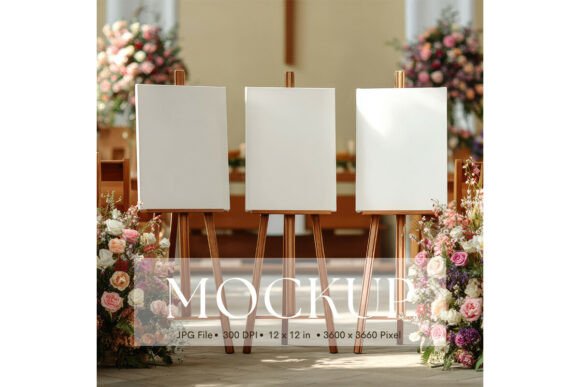
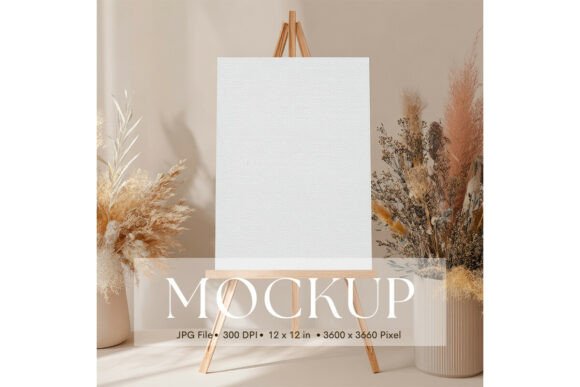
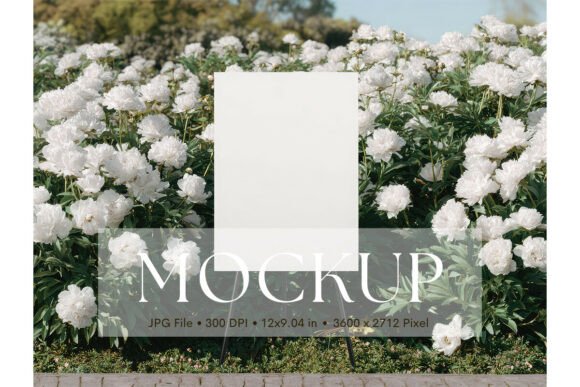
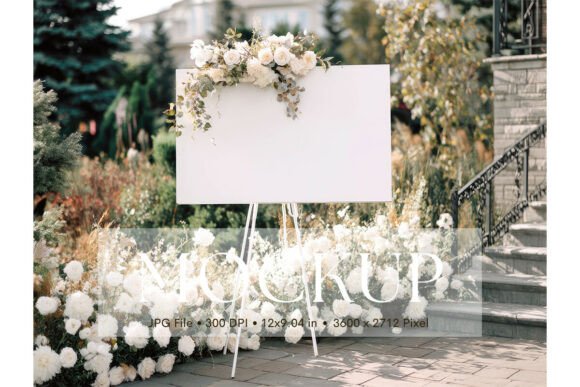
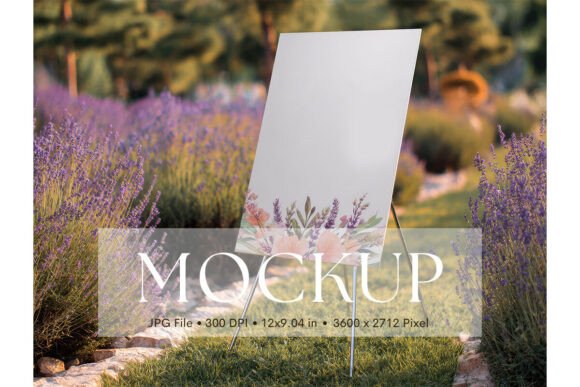
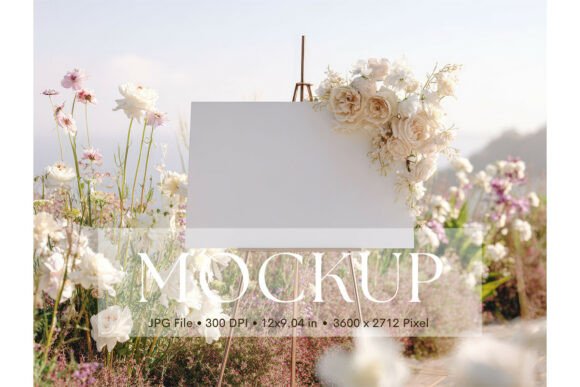
There's something deeply satisfying about seeing your digital artwork come to life in a real-world setting. Whether you're a designer presenting a client project, a small business owner creating product imagery, or a content creator building a cohesive visual brand, the right mockup can transform your work from flat graphics into compelling stories. Welcome Sign, Wedding Sign Mockup_50 offers exactly that opportunity—a clean, professional backdrop that lets your illustrations, logos, or photography take center stage without competing for attention.
Why Minimalist Mockups Matter for Your Creative Projects
In a world saturated with visual noise, simplicity often wins. This particular mockup features a minimalist design philosophy that strips away unnecessary clutter, placing your artwork directly in the spotlight. The coffee mug setting provides just enough context to feel relatable and tangible, while the neutral background ensures nothing distracts from your core message.
Think about the last time you browsed an online shop or scrolled through social media. The images that stopped your thumb were likely the ones with clear focus and intentional composition. That's exactly what this mockup delivers. Your graphics don't have to fight for attention—they simply exist in a beautiful, understated environment that enhances rather than overwhelms.
Practical Applications Across Industries
The versatility of a well-designed mockup like this one extends far beyond a single use case. Here's where designers, entrepreneurs, and creators are finding real value:
- Brand Identity Presentations: Show clients how their logo looks on physical merchandise before committing to production runs. Seeing a design on an actual object builds confidence and excitement.
- E-commerce Product Photography: Small business owners selling custom mugs, drinkware, or branded merchandise can create professional product listings without expensive photo shoots.
- Social Media Content: Instagram, Pinterest, and Facebook posts featuring lifestyle imagery consistently outperform plain graphics. A mockup adds that aspirational quality followers respond to.
- Website Hero Images: Blogs and landing pages benefit from contextual imagery that tells visitors exactly what they'll get. A clean mug mockup works beautifully for design studios, print shops, and creative agencies.
- Portfolio Presentations: Freelancers and agencies can elevate their case studies by showing work in realistic environments rather than flat white backgrounds.
- Marketing Collateral: Email campaigns, digital ads, and promotional materials all benefit from polished visuals that communicate professionalism.
The file arrives as a high-resolution JPG at 3600 x 2712 pixels—roughly 12 by 9 inches—giving you plenty of room to work with for both digital and print applications. No PSD smart objects mean you won't need advanced software skills to drop in your artwork. The process stays straightforward, which matters when you're juggling multiple projects or working within tight deadlines.
Design Considerations for Maximum Impact
Getting the most from any mockup requires thinking beyond simply inserting your graphic. Consider how your artwork's color palette interacts with the mockup's tones. Warm illustrations might complement the natural setting beautifully, while cooler designs could create an appealing contrast that draws the eye.
Typography choices within your artwork matter too. If you're placing text-based designs—quotes, brand names, taglines—ensure the font size remains legible at the mockup's resolution. What looks crisp on your screen at 100% zoom might read differently when viewed as part of a complete scene. Test your design at smaller thumbnail sizes, since many people will first encounter your mockup as a preview image on social feeds or search results.
Color accuracy deserves attention as well. The product notes that colors may vary depending on your computer, printer, inks, or substrates. This is standard across digital design assets, but it's worth calibrating your monitor and running test prints if you plan to use the final imagery for physical products. What you see on screen is a close approximation, not an exact guarantee—especially when the image eventually meets paper, fabric, or ceramic.
Building Visual Consistency Across Platforms
One of the biggest challenges for growing brands and content creators is maintaining a cohesive look across multiple channels. Your website, social profiles, packaging, and print materials should all feel like they belong to the same family. Mockups play a surprisingly powerful role in this consistency.
When you use the same mockup style across your product listings, Instagram grid, and email headers, you create visual patterns that audiences unconsciously recognize. Over time, this repetition builds brand recognition without requiring a single word of explanation. People start associating that clean, minimalist aesthetic with your business—and that association becomes incredibly valuable.
Welcome Sign, Wedding Sign Mockup_50 fits naturally into this strategy because its simplicity adapts to different brand personalities. A playful children's brand can inject bright colors into the artwork while letting the mockup provide calm structure. A luxury candle company can use muted tones and elegant typography, knowing the mockup won't clash with their refined positioning. The backdrop serves the design, not the other way around.
Licensing and Commercial Use Essentials
Before incorporating any design asset into commercial projects, understanding the licensing terms protects both your business and your peace of mind. The mockup image itself comes free of watermarks and fonts, which means you're receiving a clean canvas ready for your creative input. However, always verify that your intended use—whether that's client work, merchandise sales, or advertising—aligns with the asset's license agreement.
For designers who regularly create mockups for clients, building a library of versatile, high-quality templates saves significant time. Rather than arranging physical products and photographing them yourself, you can present polished concepts within hours. This efficiency translates directly into better client relationships and healthier profit margins.
Making This Mockup Work for Your Next Project
The best design assets are the ones you actually use. Don't let this mockup collect digital dust in a downloads folder. Start by identifying your most pressing visual need—maybe it's refreshing your Etsy shop images, creating a presentation deck for an upcoming pitch, or finally updating that outdated hero banner on your website.
Upload your artwork, adjust the placement to ensure key elements remain visible and balanced, and export at the appropriate resolution for your intended platform. Remember that objects in the image aren't movable, so work with the composition as presented rather than trying to rearrange elements. Sometimes creative constraints lead to the most interesting solutions.
Your audience responds to authenticity and quality in equal measure. A thoughtfully chosen mockup communicates that you care about presentation—which signals that you care about everything else in your business too. That subtle message builds trust, and trust is what turns casual browsers into loyal customers.