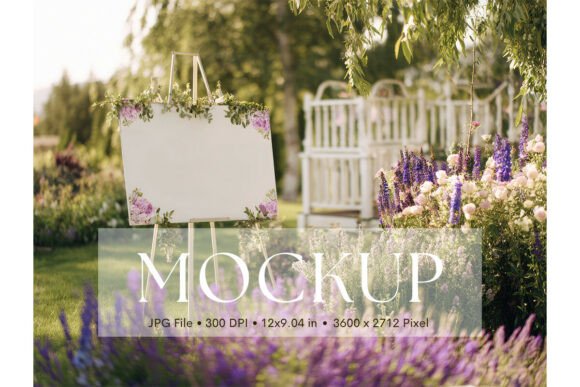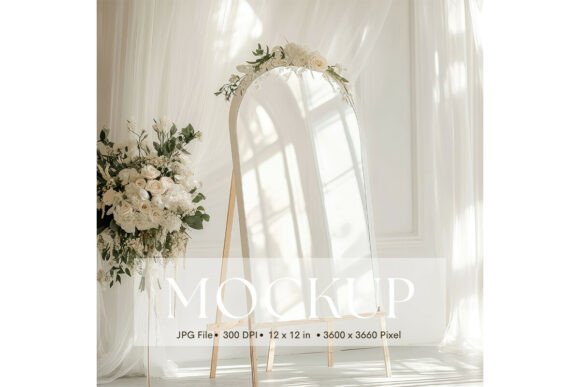
Showcase Your Art with the Welcome Sign, Wedding Sign Mockup_141
You’ve just designed a stunning piece of art, a beautiful wedding invitation suite, or a compelling brand logo. The colors are perfect, the composition is balanced, and the message is clear. But when it comes time to present this work to a client or your audience, a flat digital file often falls short. It lacks context, scale, and that crucial professional polish that makes someone stop scrolling and pay attention. This is where a high-quality mockup transforms your presentation from simply showing a design to telling a story about its potential.
The Power of a Clean, Professional Presentation
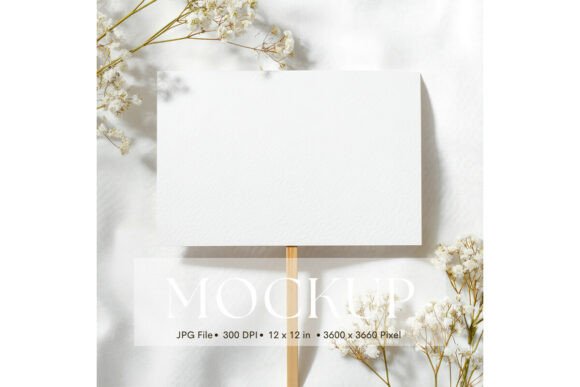
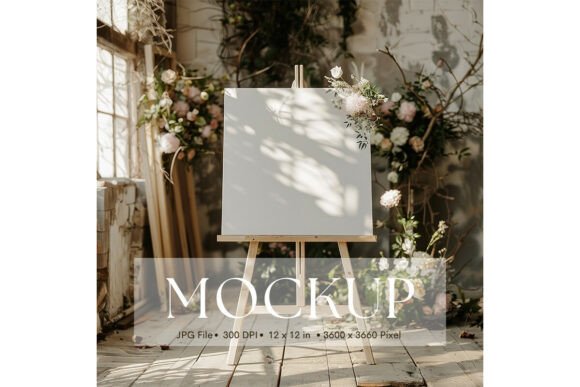
The Welcome Sign, Wedding Sign Mockup_141 is more than just a template; it’s a stage for your creativity. At its core, it’s a user-friendly digital file designed to showcase your artwork within a minimalist, attractive setting. You receive a single, high-resolution JPG file (3600 x 3600 pixels, or 12 x 12 inches) that serves as a clean canvas. The true value lies in its simplicity. The mockup features a deliberately uncluttered background, ensuring that your graphics—the illustrations, typography, or photographs you place within it—remain the absolute focal point. This minimalist approach forces the viewer’s eye directly to your work, allowing it to make a strong, undiluted visual impression.
For designers and entrepreneurs, this kind of presentation tool is invaluable. Think about how you browse for products or services online. You’re drawn to listings that look polished and professional. A coffee mug design shown on a stark white background can feel isolated and unfinished. The same design, presented within a contextual mockup that suggests how it might look in a real-world scenario, immediately feels more tangible, desirable, and premium. This mockup provides that essential bridge between your digital file and a real-world application.
Practical Applications for Every Creative Project
The versatility of a well-crafted mockup like this one is its greatest strength. It’s not limited to a single use case, making it a valuable addition to any designer’s toolkit or small business’s marketing assets. Here’s how you can leverage it across your projects:
- Branding and Logo Design: Present your brand identity package with authority. Showcase a logo not just as a vector file, but as it might appear on a physical sign, a piece of stationery, or merchandise. This helps clients visualize their brand in action.
- Packaging Design: For product-based businesses, packaging is everything. Use this mockup to display your label or packaging graphics. It gives a sense of scale and finish, helping you pitch to retailers or excite customers on your e-commerce site.
- Social Media Graphics and Marketing: Create scroll-stopping content for Instagram, Pinterest, or Facebook. Instead of posting a plain image, use the mockup to create a mini-scene that highlights a new product launch, a promotional graphic, or an artistic piece, driving higher engagement.
- Websites and Blogs: Elevate your online portfolio or blog. Feature your work in a mockup to give your site a cohesive, professional look. It’s perfect for showcasing web design layouts, editorial illustrations, or photography series in a more engaging way than a simple gallery.
- Print Materials and Posters: Before sending a design to the printer, see how it might look in a physical setting. This is crucial for artists selling prints, event planners designing posters, or businesses creating point-of-sale materials.
- Invitations and Editorial Layouts: For wedding stationers and publishers, this mockup is ideal. Display invitation suites, save-the-dates, or magazine layouts as if they are beautifully arranged on a desk, adding a layer of elegance and context to your portfolio.
- Digital Products and Merchandise: If you sell digital downloads like planners, wall art, or worksheets, a mockup helps customers envision the product printed and in use. Similarly, for merchandise like mugs or t-shirts, it provides a realistic preview that can boost sales.
Enhancing Brand Recognition and Visual Consistency
Using a consistent set of mockups across your marketing materials is a subtle yet powerful branding strategy. When your audience sees your work presented in a familiar, clean, and professional style repeatedly, it builds subconscious recognition. They start to associate that polished presentation with your brand, which fosters trust and credibility. The minimalist design of the Welcome Sign, Wedding Sign Mockup_141 makes it an excellent candidate for this. Its neutral background doesn’t compete with your brand colors or design style, allowing it to adapt to virtually any aesthetic—from modern and corporate to rustic and handmade.
This consistency directly impacts how your brand is perceived. It signals that you pay attention to detail, value quality, and care about the entire customer experience, not just the final product. In a crowded market, these nuanced signals of professionalism can be the deciding factor for a client choosing between you and a competitor.
Making the Most of Your Mockup: Practical Advice
To get the best results from any digital asset, a thoughtful approach is key. Here are some practical tips for integrating this mockup into your workflow:
- Match the Mood: Consider the emotion of your design. Does your artwork have a warm, cozy feel? The clean background of this mockup can still work, but you might pair it with other warm-toned elements in your overall presentation. For cool, minimalist designs, it’s a perfect match.
- Focus on Quality: Since the mockup is a high-resolution 3600 x 3600 pixel file, ensure the artwork you place within it is also high-resolution. A blurry or pixelated design will undermine the professional effect. Start with a crisp, clean source file.
- Consider the Context: While the objects in the scene aren’t movable, you can still think about the implied context. Is this mockup suggesting a studio setting, a retail environment, or a home office? Let that implied context guide the type of design you showcase within it for maximum coherence.
- Test for Readability: If you’re using the mockup for typography-based designs like quotes or signage, always zoom in to check readability. Ensure your font choices are clear and legible at the mockup’s scale, especially for any important text.
- Review Licensing: As with any design asset, always review the licensing terms. Understand whether the mockup is for personal use, commercial use, or if there are restrictions on how you can use the final images (e.g., in print-on-demand services). This ensures you stay compliant and avoid future issues.
In the end, tools like the Welcome Sign, Wedding Sign Mockup_141 are about empowering you to communicate your vision more effectively. They handle the heavy lifting of presentation, freeing you to focus on what you do best: creating compelling designs that connect with people. By placing your work within a thoughtful, professional context, you’re not just displaying a file—you’re inviting your audience to see its full potential.