Presenting Your Work: The Welcome Sign Mockup for Designers
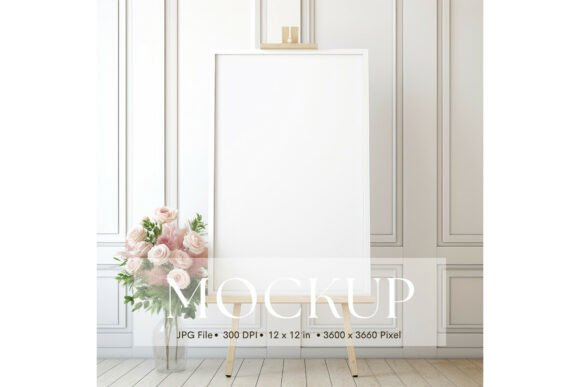
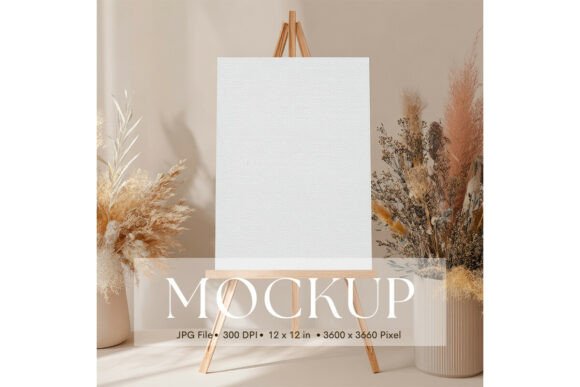
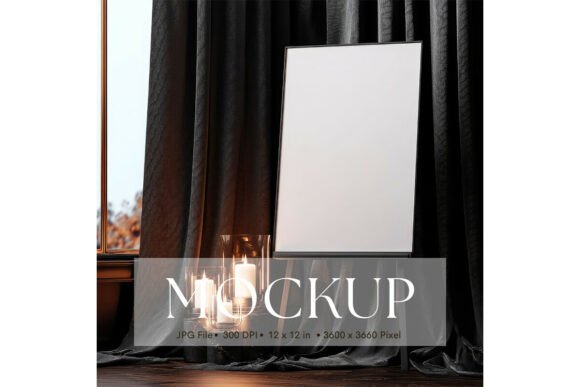
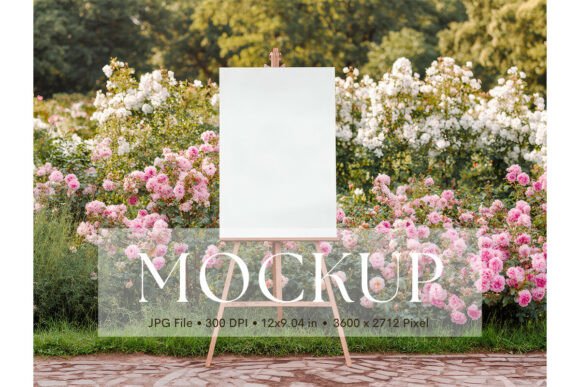
You’ve spent hours perfecting the design, choosing the right colors, and finalizing the artwork. Now comes the crucial step: presenting it in a way that captures its true essence. A flat file on a white background rarely does justice to a beautiful illustration or a thoughtfully crafted logo. This is where a high-quality mockup transforms your digital file into a tangible, believable scene. The Welcome Sign, Wedding Sign Mockup_235 is built for this exact purpose. It offers a pristine, minimalist canvas that doesn’t compete with your work but instead frames it, allowing the details of your design to take center stage and speak for themselves.
A Canvas for Clarity and Impact
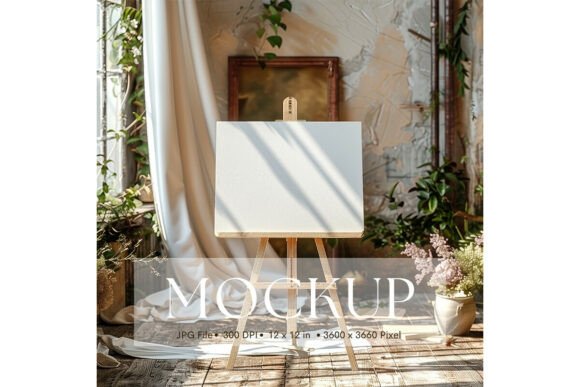
What immediately stands out about this mockup is its intentional simplicity. The background is a clean, uncluttered neutral tone, which is a deliberate design choice. This isn’t about adding distracting props or complex textures; it’s about creating a professional, gallery-like environment for your artwork. The high resolution of 3600 x 3600 pixels ensures that every line, gradient, and texture in your design is rendered with crystal clarity, whether it’s viewed on a high-resolution monitor or printed at a large format. The lack of movable objects or pre-added fonts means you start with a pure, versatile base. Your design becomes the sole subject, ensuring the viewer’s eye goes exactly where you want it: to your creation.
This approach is invaluable for a range of professionals. For a graphic designer finalizing a client’s branding suite, it provides a consistent and polished way to showcase a logo on a physical item. A small business owner can use it to preview how their new product packaging or signage will look in a real-world context before committing to a print run. The mockup acts as a bridge between the digital concept and the physical realization, helping to secure client approvals and make confident business decisions.
Practical Applications Across Creative Projects
The true value of a versatile design asset lies in its adaptability. The Welcome Sign, Wedding Sign Mockup_235 is far more than just a sign mockup; it’s a multi-use presentation tool. Its clean composition makes it ideal for:
- Brand Identity Presentations: Showcasing a logo on a physical item adds a layer of tangibility and professionalism to your brand guidelines or client presentations.
- Print-on-Demand Merchandise: If you design posters, illustrations, or typography art for sale, presenting them in a styled mockup can significantly boost perceived value and conversion rates on platforms like Etsy or your own website.
- Social Media Content: Create engaging Instagram posts or Pinterest pins that stand out in a crowded feed. A mockup of your art on a clean background is more visually compelling than a simple flat lay.
- Website and Blog Graphics: Use the mockup to create featured images for blog posts about your design process, or to display digital products like printable art or invitation suites in your online shop.
- Editorial and Marketing Materials: Designers and marketers can use it to create high-quality visuals for newsletters, lookbooks, or digital ads that require a professional and cohesive aesthetic.
Essentially, any project where you need to demonstrate how a graphic element interacts with a physical space can benefit from this mockup. It’s a tool for visual storytelling, helping your audience or client envision the end result.
Integrating with Your Design Workflow
Using the mockup is straightforward, designed to fit seamlessly into your creative process. As it’s a JPG file without PSD smart objects, you can integrate it into most design software, from Adobe Photoshop and Illustrator to Canva and even basic editors. Simply place your artwork onto the designated area within the mockup image. The key to a seamless result is paying attention to perspective and scale. Ensure your design aligns naturally with the surface of the sign. If you’re adding text, consider the overall composition—does it feel balanced? Does the typography you’ve chosen for your design complement the mockup’s minimalist style?
This brings us to an important consideration: font pairing and typographic harmony. If your design includes text, the typeface you choose will be a major part of the final impression. The mockup itself is a neutral host, so the typography of your artwork carries the weight of communication. For a welcome sign or wedding sign, you might lean towards elegant script fonts or sophisticated serif typefaces to convey warmth and formality. For a more modern or edgy brand, a clean sans-serif font or a bold display font could be the perfect match. Always test how your chosen typeface reads within the mockup’s space. The clean background is forgiving, but ensuring high readability and visual appeal is paramount.
Making the Most of a Minimalist Asset
In a design landscape often crowded with noise, a minimalist asset like this mockup offers a powerful advantage. It provides visual consistency across your portfolio or product listings. By using the same clean, professional setting for multiple presentations, you reinforce your brand identity and create a recognizable style. This consistency builds trust and professional presentation, signaling to clients and customers that you value quality and attention to detail.
Before finalizing any project using the mockup, a quick checklist can ensure the best outcome:
- Review Your Artwork at Full Size: Zoom in to 100% to check for any pixelation or errors in your design that might be overlooked on a smaller screen.
- Check Color Modes: Remember that colors can appear differently on screens versus in print. If this is for a printed product, consider converting the final mockup image to CMYK and doing a test print, if possible.
- Consider the Commercial Use: Always verify the licensing of any asset you use. Ensure the mockup’s license permits your intended use, whether it’s for a client project, a commercial product, or personal portfolio display.
The Welcome Sign, Wedding Sign Mockup_235 is ultimately a facilitator. It doesn’t create the art, but it provides a dignified stage for it. By handling the presentation layer with such clean, adaptable professionalism, it frees you to focus on what you do best: creating compelling designs. Whether you’re a freelancer building a portfolio, an entrepreneur launching a product line, or a hobbyist sharing your passion, having a reliable tool to present your work beautifully is not a luxury—it’s a fundamental part of effective visual communication.