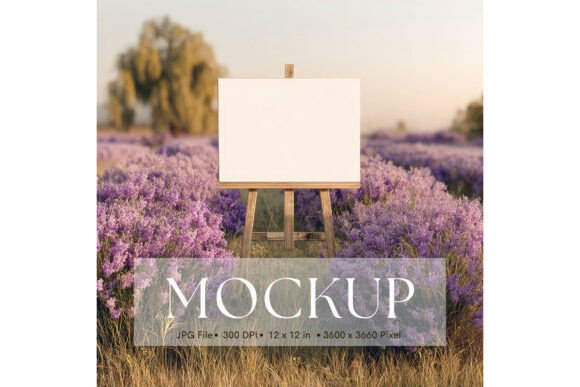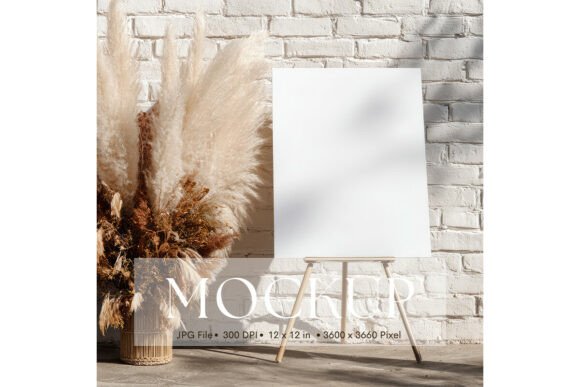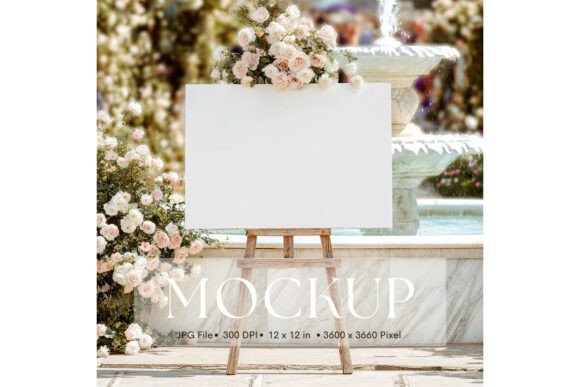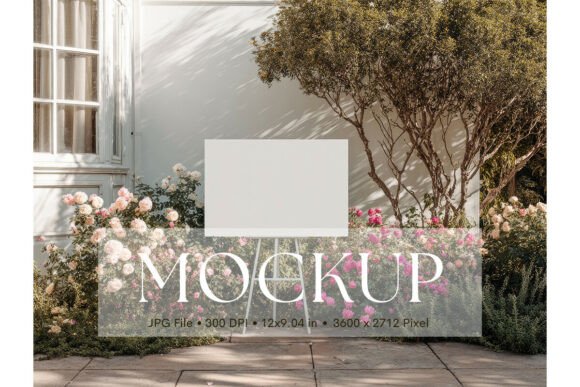
Elevate Your Brand Presentation with Wedding Sign Mockup_37
You've poured hours into designing the perfect welcome sign or wedding invitation. The typography is spot-on, the layout is balanced, and the color palette feels just right. But when it's time to show it off to a client or feature it on your online shop, you need more than a flat file. You need context. You need a setting that lets your design breathe and speak for itself. That's exactly where a clean, professional mockup becomes your best friend.
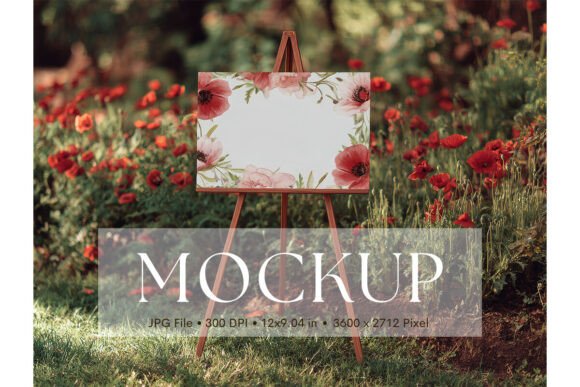
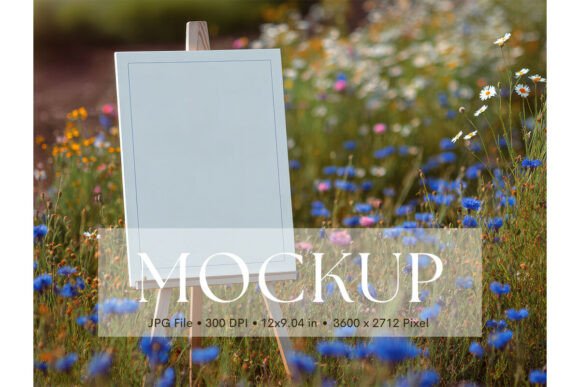
Welcome Sign, Wedding Sign Mockup_37 offers a beautifully minimal scene designed to make your artwork the undeniable star. It's not just a background; it's a stage. The crisp, uncluttered composition ensures that every detail of your design—from the curve of a script letterform to the weight of a serif font—gets the attention it deserves. For designers, small business owners, and creative entrepreneurs, this kind of presentation tool is invaluable. It transforms a digital file into a tangible, believable product that clients can connect with emotionally.
Why a Minimalist Setting Works So Hard for Your Designs
Think about the last time you saw a design that stopped you mid-scroll. Chances are, it wasn't buried under layers of visual noise. Clean design has power. When you place your artwork into a setting like the one in this mockup, you're leveraging the principle of negative space. The soft, neutral backdrop and simple arrangement don't compete with your work—they frame it. This is particularly crucial for typography-heavy designs like wedding signs, where letterforms, spacing, and alignment are the art.
This mockup's specific dimensions—3600 x 2712 pixels at 12 x 9.04 inches—give you a high-resolution canvas suitable for both digital displays and quality prints. The absence of watermarks and movable objects means you can focus entirely on your design integration without distracting edits. Whether you're showcasing a custom script font for a rustic wedding or a sleek sans serif font for a modern event, the environment adapts to your style, not the other way around.
Practical Applications Beyond the Wedding Aisle
While the name suggests a wedding focus, the utility of this mockup extends far into various creative and commercial projects. Its clean aesthetic is a universal translator for good design. Consider these practical ways to put it to work:
- Portfolio and Client Presentations: Show potential clients exactly how their brand identity or event signage will look in a real-world context. This builds confidence and speeds up approvals.
- E-commerce Product Listings: If you sell digital designs on platforms like Etsy or Creative Market, a professional mockup can dramatically increase perceived value and click-through rates. It helps customers visualize the end product.
- Social Media Content: Create engaging Instagram posts, Pinterest pins, or Facebook ads that look polished and intentional. A well-mocked-up design tells a better story than a simple screenshot.
- Website and Blog Imagery: Use it in blog posts about wedding planning, design tips, or your creative process. It adds visual interest and demonstrates your expertise in a tangible way.
- Pitch Decks and Marketing Materials: For designers and agencies, including mockups in proposals elevates your professionalism and shows a full-service approach to visual communication.
The key is that this isn't just about making something look pretty. It's about strategic visual communication. When you present your work in a context that feels real and refined, you're not just selling a design—you're selling a vision, an experience, and a result.
Integrating Your Typography and Artwork Seamlessly
One of the biggest challenges in using mockups is making your design feel like it naturally belongs in the scene. Since this mockup is a JPG file without smart objects, the process requires a bit of manual finesse, which can actually lead to a more authentic result. Here’s a practical approach:
- Prepare Your Artwork: Export your welcome sign or artwork from your design software as a high-resolution PNG with a transparent background. This gives you maximum flexibility.
- Use Editing Software: In a program like Adobe Photoshop, Canva, or even free alternatives like GIMP, place your design onto the mockup layer.
- Match Perspective and Lighting: Use free transform tools to skew and scale your design to match the angle and perspective of the surface in the mockup. Pay attention to how light falls in the scene; you may need to adjust the brightness or contrast of your overlay layer to blend in.
- Add Subtle Realism: Consider adding a very slight texture overlay or a soft shadow that matches the existing light direction. This small step can make the integration look less digital and more physical.
This hands-on process forces you to think critically about font pairing and layout in a physical context. Does that elegant serif font remain readable at the mockup's scale? Does the contrast between your display font and the background hold up? Testing your work in a mockup is one of the best ways to stress-test your design decisions before they go to print or a final client deliverable.
Choosing the Right Design Elements for Maximum Impact
The effectiveness of any mockup hinges on the quality of the design you put into it. This is where your choices in typography, color, and composition come into sharp focus. If you're creating a welcome sign for a wedding or event, the font you choose sets the entire tone.
A flowing handwritten font or script font can evoke romance and personal touch, perfect for a rustic or vintage theme. A clean, geometric modern sans serif communicates contemporary elegance and clarity. For a formal or luxurious feel, a classic serif font with fine details can be stunning. The key is alignment: your font choice should align with the event's overall aesthetic and the couple's personality.
When using a premium font or creative font from a design asset marketplace, always double-check the licensing. Most fonts suitable for commercial projects, like creating merchandise or marketing materials, will require a commercial license. This is a non-negotiable step for professional work. The mockup itself is a tool to present that work, but the underlying assets must be properly licensed.
Remember, the goal of using a wedding sign mockup like this is to create a compelling visual narrative. It's about showing, not just telling. It bridges the gap between your digital canvas and the client's imagination, making it an essential tool for anyone serious about visual branding and professional presentation. By pairing a thoughtful design with a clean, context-rich mockup, you create work that doesn't just look good—it feels real, relevant, and ready for the world to see.